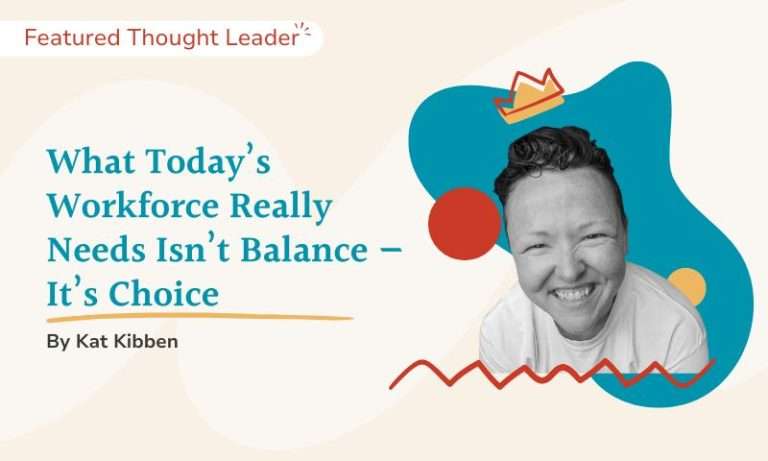

Written by Kat Kibben
Katrina Kibben is a nationally recognized expert in recruiting and job post transformation. As founder and CEO of Three Ears Media, they’ve trained thousands of recruiters to write better job postings, helping organizations reduce time-to-fill, lower costs, and remove bias. With 15+ years of experience working with companies, like Monster.com and Randstad Worldwide, Katrina blends deep industry expertise with practical, actionable advice that drives real results.
A LinkedIn Top Voice on Hiring, Katrina’s insights have been featured in The New York Times and Forbes. They’re also the author of This Was All An Accident, sharing leadership lessons from life on the road.
Connect with Kat on LinkedIn.
Scrolling through my Instagram feed, you could probably guess how old I am. Not just because of all the highly niche content for millennials, but because of the pictures and moments my friends are sharing.
The first half are posts of my friends going to middle school graduations. I love those pictures. I can’t help but grin at the gaggles of kids with big smiles, caps and gowns.
The other half are caring for parents. Their pictures are of hospital beds and memories. Captions filled with lessons learned and deep love. Those bring a smile to my face, just not for the same reasons. I smile because I’m honored to be friends with people who will do anything for the people they love.
Recently one of my best friends from college experienced the collision of this joy and heartache all at once as she celebrated both her son’s graduation from middle school and the 1 year anniversary of losing her Dad on the same day. I hadn’t seen her in real life since before her father’s stroke and the funeral.
“How did you balance all that?” I asked when we finally found time to catch up.
She shot me a look that said a lot without saying anything at all.
In fairness, it was a dumb question. Balance is not real.
Balance Shouldn’t be the Goal for Today’s Employers
This world – and where we focus our attention – is a seesaw at best, just with way more than two components. It’s balancing work, life, family, and all the other things we love. Oh, and making time for yourself after all that.
The headlines often call it a sandwich generation – referring to these folks that are both taking care of older loved ones and their kids – but I think it’s a little more complicated.
This Jenga generation is balancing it all, now facing even more strain from an unstable economy that’s causing them to lose income not just from downtime caregiving, but losing their jobs altogether.
This is further complicated by the fact we have five generations of people represented in the workplace and all of them are balancing a range of things. All of them are feeling the strain and it’s impacting everyone’s mental health.
Over the past 30 years, the number of Americans who are stressed has been on a steady incline after a sharp drop in 2003. The most recent data show that nearly half of all Americans, 49%, report frequently experiencing stress, up 16 points over the past two decades and the highest in Gallup’s trend to date.
Most companies have done very little to address this reality at work while expecting the same performance. At best, I see most organizations needlessly investing in affirmations and inspiration in the form of those value posters on the wall that talk about “caring” and being “like a family.” What a waste.
But what does good look like when it comes to real people who need real care options? What can companies do better?
The answer isn’t a prescription. It’s not some formula or calculation. It’s about benefits that offer flexibility for the range of experiences people are balancing right now.
Moving on from Balance to Better Support through Benefits
This is where personalized benefits come in – benefits that offer people what they need when they need it. When companies only offer traditional benefits, they’re assuming every employee has the same life—and that’s just not true. Let employees choose what they genuinely need, rather than pick from generic vendor catalogs. Give people real choices that match their real challenges, not a one-size-fits-all checkbox of options that only help a fraction of your team “family” (eye roll here).
Think bigger than health, wellness, and 2 weeks off. Try lifestyle stipend categories instead of deciding how people spend. Meet people where they are at. To me, that means preschool, senior care, and even an option for someone like me who’s just taking care of dogs. Dedicated mental health benefits that aren’t something I have to fight a healthcare provider to get covered.
Help your team create balance with more resources. It doesn’t have to be complicated or expensive. This is more than just a culture move — it’s a business decision that reflects how much you value people that pays off in bigger ways than profitability. It can even save lives.

 No receipt chasing